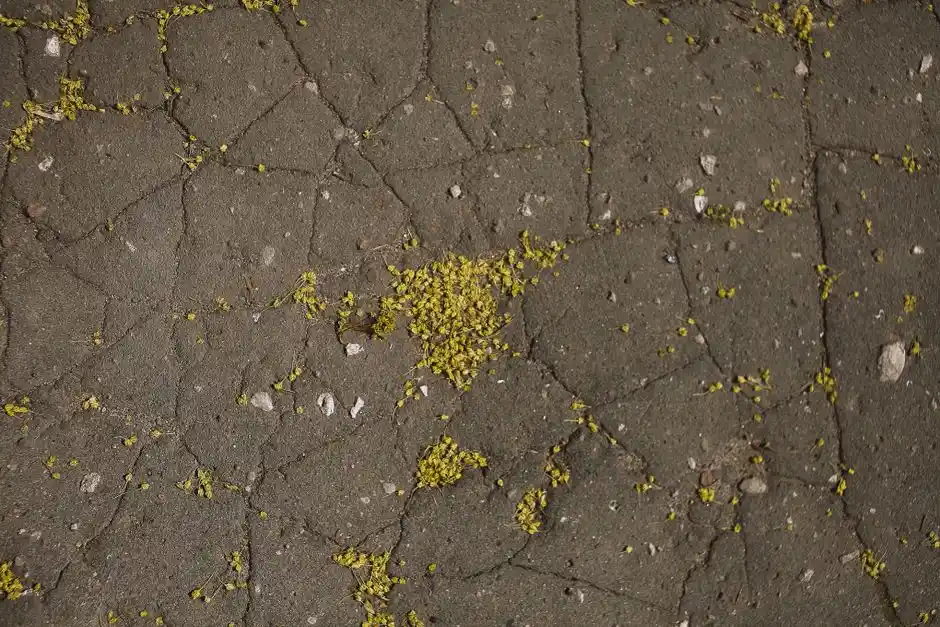
Your concrete slab is sinking because the soil underneath it has lost its load-bearing capacity - usually from water erosion, clay soil shrinkage, or poor initial compaction. In San Diego, the combination of expansive clay and seasonal moisture swings makes slab settlement one of the most common calls we get. The fix depends on how far it has dropped and what caused it: mudjacking or polyurethane foam injection can lift a slab that is still structurally sound, while severe settlement may call for removal and replacement. This guide walks you through the causes, the warning signs, and the repair methods we use every week across the county.
Why is my concrete slab sinking in San Diego?
Concrete slab settlement in San Diego California is almost always a soil problem, not a concrete problem. The slab itself is rigid; it is the ground beneath it that moves. When that ground shifts, the slab loses support and drops. Here are the specific causes we see most often.
Expansive clay soil
Much of San Diego County sits on clay-rich soil that swells when it gets wet and shrinks when it dries. During a wet winter, the clay expands and pushes up on the slab. During a dry summer, it contracts and leaves a void. The slab bridges that void for a while, then cracks and settles. This cycle repeats every year, and each cycle makes the problem worse.
Poor compaction during original construction
If the builder did not compact the subgrade properly before pouring, the soil will consolidate under the slab's weight over time. We see this a lot in tract homes built during the 1980s and 1990s boom, especially in inland areas like Mira Mesa, Rancho Peñasquitos, and Poway. The slab was fine for 20 years, then the soil finally compressed enough to create a visible drop.
Water erosion and poor drainage
Water is the great destroyer of soil support. A downspout that dumps next to the foundation, a negative grade that slopes toward the house, or a leaking irrigation line can wash away the fine particles that hold the soil together. Over a few seasons, that erosion creates voids under the slab. Coastal areas like Pacific Beach and Ocean Beach deal with this constantly because of the sandy soil and high water table.
Tree roots
Large trees - especially eucalyptus, ficus, and liquidambar - pull moisture from the soil and cause it to shrink. Their roots can also physically lift sections of a slab while other sections drop. If you have a mature tree within 15 feet of a sinking slab, roots are a likely contributor.
Slab leaks and plumbing failures
A slow leak in a water or sewer line under the slab saturates the soil, causing it to erode or expand unevenly. If your slab is sinking near a bathroom or kitchen, and you have noticed unexplained high water bills, a slab leak is worth investigating before you repair the concrete.
How to fix a sinking concrete slab in San Diego
Fixing a sunken concrete slab in San Diego starts with diagnosing the cause. If the soil is still moving, any repair will fail. Once we know the cause, we choose the method that matches the slab's condition and your budget.
Mudjacking (slab lifting)
Mudjacking - also called slab leveling or concrete lifting - involves pumping a cement-based slurry through small holes drilled in the slab. The slurry fills the voids and lifts the slab back to grade. It is fast, typically taking half a day for a driveway or patio, and costs a fraction of replacement. The holes are patched with matching concrete, and you can usually walk on the surface within 24 hours. For a detailed look at this process, see our page on concrete leveling in San Diego California.
Polyurethane foam injection
Polyurethane foam is a newer alternative to mudjacking. We inject expanding foam through smaller holes - often just 5/8 inch - and it cures in about 15 minutes. The foam is lightweight, so it does not add stress to the soil, and it is not affected by moisture. It costs more than mudjacking, but it is ideal for slabs where you want minimal disruption or where the soil is unstable.
Concrete removal and replacement
If the slab is severely cracked, crumbled, or has dropped more than 4 inches, replacement is usually the better investment. We break out the old slab, recompact the subgrade, fix any drainage or plumbing issues, and pour a new slab. This is the only permanent fix when the original pour was defective or the soil has failed completely. For driveways, we often recommend Concrete Driveway Installation San Diego CA with proper base preparation to prevent future settlement.
Grinding and resurfacing
For slabs that have settled less than an inch and are not structurally compromised, grinding down the high spots and applying a resurfacing overlay can restore a level surface. This is a cosmetic fix, not a structural one, but it works well for patios and walkways where the drop is minor. Our concrete resurfacing in San Diego California service can give you a fresh, even surface without a full replacement.
When to call a professional
You should call a professional when the slab has dropped more than half an inch, when you see cracks wider than a quarter inch, or when the settlement is affecting your home's foundation. Small cosmetic cracks are normal. Structural movement is not. If a door starts sticking, if you see gaps between the slab and the wall, or if the slab is visibly uneven, it is time to get an expert opinion.
We handle slab leveling and repair across the county, from concrete leveling in Chula Vista to the inland communities. Our team can diagnose the cause and give you a straight answer on whether you need a lift or a replacement. We do not upsell - if mudjacking will solve it, that is what we recommend.
What it costs to fix a sinking slab in San Diego (2026)
Typical 2026 pricing in San Diego for slab repair ranges from $500 to $3,000 for mudjacking, depending on the size and number of slabs. Polyurethane foam injection runs $1,200 to $4,500. Full removal and replacement of a driveway or patio costs $8 to $15 per square foot, so a 400-square-foot driveway could run $3,200 to $6,000. These are ballpark numbers; the only way to know for sure is an on-site evaluation.
We provide free estimates and explain exactly what we will do before we start. No surprises.
Common mistakes to avoid
Homeowners sometimes make the problem worse by trying to fix it themselves. Here are the mistakes we see most often.
- Ignoring the cause. If you lift a slab without fixing the drainage or plumbing leak that caused the settlement, it will sink again. We always address the root cause first.
- Using self-leveling compound on a structural problem. Those products are for cosmetic fixes only. They will crack and flake if the slab is still moving.
- Assuming a crack means the slab is failing. Hairline cracks are normal. Wide, offset cracks or cracks that grow over time are the ones to worry about.
- Waiting too long. A small drop is cheap to fix. A large drop often requires replacement, which costs three to five times more.
Frequently Asked Questions
Why is my concrete slab sinking in San Diego?
The most common causes are expansive clay soil, poor compaction during construction, water erosion, and tree roots. San Diego's wet winters and dry summers make the soil move more than in many other regions, which accelerates settlement.
How do I fix a sinking concrete slab in San Diego CA?
You fix it by first identifying the cause, then choosing a repair method. Mudjacking or foam injection can lift a slab that is still sound. If the slab is badly cracked or has dropped more than 4 inches, removal and replacement is the better option.
How much does concrete slab leveling cost in San Diego?
In 2026, mudjacking typically costs $500 to $3,000, while polyurethane foam injection runs $1,200 to $4,500. The exact price depends on the size of the slab and how much lift is needed. We provide free estimates.
Can mudjacking fix a sinking slab in San Diego?
Yes, mudjacking can fix a sinking slab if the slab is structurally sound and the cause of the settlement has been addressed. It is faster and less expensive than replacement, and the results last for years when done correctly.
How long does mudjacking take?
Most residential mudjacking jobs take 2 to 4 hours. You can usually walk on the slab the same day, and drive on it within 24 hours. Larger driveways may take a full day.
Get help with Concrete Contractor in San Diego
If your slab is sinking, do not wait. We are a licensed Concrete Contractor San Diego CA and we can diagnose the problem and give you a fixed price to fix it. Call us today at (619) 231-1616 to schedule your free estimate.