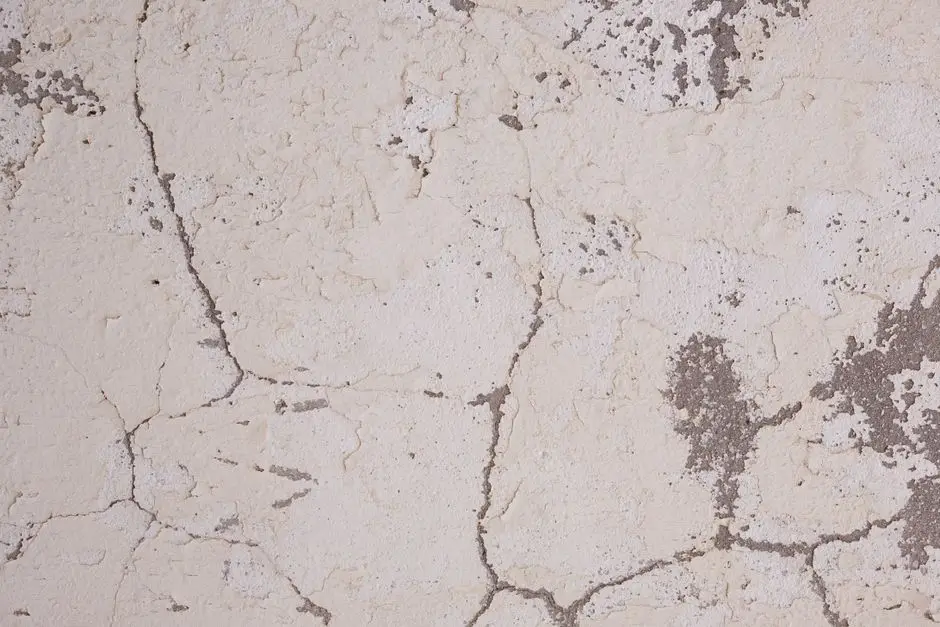
Your concrete driveway is cracking because the ground under it is moving, the slab was poured too thin or without proper control joints, or water is getting underneath and expanding. In San Diego, the most common single cause is our expansive clay soil - it swells when it absorbs water and shrinks hard when it dries, and that cycle pushes and pulls on the slab until something has to give. The rest of this article breaks down each cause, tells you which cracks are cosmetic and which mean real trouble, gives you 2026 repair costs for San Diego, and shows you how to stop the next crack before it starts.
The short answer: why San Diego driveways crack
Why is my concrete driveway cracking San Diego homeowners ask us this constantly, and the honest answer is that concrete never cracks for one reason. It cracks because several forces are working on it at once.
Concrete is strong in compression but weak in tension. It cannot stretch. So when the soil beneath it moves, when water freezes in a hairline gap, or when a heavy truck rolls over a slab that was poured at 4 inches instead of 5, the concrete has no way to absorb that movement. It relieves the stress by cracking.
Here is the definitional version: concrete driveway cracking in San Diego is the failure of a slab under tension that it was never designed to handle, caused by soil movement, moisture cycling, thermal expansion, or installation shortcuts. When we diagnose a cracked driveway, we are really diagnosing which of those four forces won.
Most driveways in San Diego County are 4 to 6 inches thick and should last 25 to 30 years with proper base prep and jointing. When they crack at year 8 or year 12, something in the prep or the soil was wrong from day one.
San Diego's soil is the number one culprit
San Diego's expansive clay soil is the leading cause of driveway cracking in the region, and it is not close. If you live east of I-15 - in Poway, Rancho Bernardo, Scripps Ranch, El Cajon, or Santee - you are almost certainly sitting on clay that expands up to 10 percent in volume when it gets wet.
That expansion is not gentle. A slab that is 20 feet long can be pushed up 1 to 2 inches at one end while the other end stays put. The concrete does not bend. It cracks.
We see this pattern constantly across concrete driveway repair in San Diego California calls in the inland communities, where summer irrigation and winter rain create the widest swing. Coastal neighborhoods like Pacific Beach and Ocean Beach deal with a different version - sandy soil that drains fast but settles unevenly, which produces the long diagonal cracks that run corner to corner.
Three soil-related crack patterns tell you what is happening:
- Diagonal cracks from corners: the slab is being pulled apart by differential settlement.
- Long cracks running the length of the driveway: the base was not compacted evenly, or the slab is too thin.
- Stair-step cracks near the garage: the house foundation and the driveway are moving at different rates, usually because the soil moisture is different on each side.
How San Diego's climate accelerates cracking
San Diego's climate is mild, but the daily and seasonal swings are enough to crack concrete that was not built for them. We are not dealing with Midwest freeze-thaw cycles, but we are dealing with something that does just as much damage over time.
Our marine layer pushes humidity against the coast most mornings from May through August. That moisture soaks into hairline cracks, and when the sun burns through around 10 a.m., the surface temperature of a dark driveway can jump 40 degrees in two hours. The slab expands. Then it cools overnight and contracts. Do that 300 times a year for a decade and any weak point in the concrete will open up.
Inland, the problem flips. Summer temperatures in El Cajon and Lakeside regularly hit 100 to 105 degrees. Concrete poured in that heat cures too fast, loses moisture before it can gain full strength, and develops shrinkage cracks within the first 48 hours. If your driveway cracked in its first week, that is almost always what happened.
Winter rain adds the final piece. Water gets into an existing crack, sits there, and softens the soil base underneath. The slab loses support. The crack widens.
Installation mistakes that show up years later
Installation mistakes are the second-biggest cause of driveway cracking in San Diego, and they are the ones that frustrate homeowners most because the driveway looked perfect for the first three or four years. A few specific shortcuts cause most of the failures we repair:
- No compacted base. A proper driveway needs 4 to 6 inches of compacted class II base rock under the slab. Skip it, or compact it in one pass, and the slab settles unevenly.
- Missing control joints. Control joints should be cut every 8 to 10 feet, and to a depth of one-quarter the slab thickness. Without them, the concrete picks its own crack line - and it never picks a straight one.
- No expansion joints at the garage and sidewalk. The driveway has to be able to move independently from the structures it touches. Rigid connections crack.
- Thin pours. A driveway that carries a full-size pickup or an RV needs 5 to 6 inches of concrete with rebar or wire mesh. A 4-inch slab with no reinforcement will crack under a loaded truck, especially in summer heat.
- Pouring on fill dirt. If the lot was graded and the driveway sits on fill that was not engineered, the fill will consolidate for years and take the slab down with it.
If your driveway is more than 20 years old and the cracks have spread across multiple slabs, replacement usually makes more financial sense than repeated patching. Our team handles concrete driveway installation in San Diego California with full base prep, proper jointing, and reinforcement sized to what you actually park on it.
Is a cracking concrete driveway normal in San Diego?
Hairline cracks under one-eighth of an inch wide are normal in San Diego and usually cosmetic. Every concrete slab cracks somewhere - the goal of good installation is to control where that crack happens, not to prevent it entirely.
What is not normal:
- Cracks wider than a quarter inch
- Cracks with vertical displacement - one side higher than the other
- Cracks that multiply and connect into a web pattern
- Cracks that appear within the first 30 days after a pour
- Any crack with water visibly draining into it
Those five signs mean the slab has lost structural support, not just surface integrity. Patching them with caulk alone will fail within a season. They need concrete crack repair in San Diego California that addresses the base, not just the surface.
How much does concrete driveway crack repair cost in San Diego?
Concrete driveway crack repair in San Diego runs $250 to $600 for sealing multiple hairline cracks on a standard two-car driveway, and $1,200 to $4,500 for structural repairs like slab replacement or mudjacking, based on typical 2026 pricing in this area.
Here is how the numbers break down by repair type:
- Crack sealing (caulk or polyurethane injection): $4 to $12 per linear foot, $250 to $600 for a full driveway.
- Concrete leveling or mudjacking: $600 to $1,800 for a driveway with settled slabs.
- Partial slab replacement: $1,200 to $3,000, depending on square footage and whether the base needs rework.
- Full driveway replacement: $8 to $14 per square foot, so a typical 600-square-foot driveway runs $4,800 to $8,400.
Resurfacing is the middle option. A concrete driveway resurfacing in San Diego California project costs $3 to $7 per square foot and adds 10 to 15 years of life to a driveway whose cracks are cosmetic rather than structural. It is the right call when the slab is still solid but the surface is ugly.
Common mistakes homeowners make with cracked driveways
The most common mistake we see is filling a structural crack with standard caulk and calling it done. That caulk will fail within one rainy season because the slab is still moving underneath it.
Other mistakes that cost San Diego homeowners real money:
- Ignoring a crack until it triples in width. A quarter-inch crack costs $200 to seal. A two-inch crack with a settled slab costs $2,000 to fix.
- Pressure-washing directly into cracks. You are driving water into the base, which is exactly what makes the soil expand.
- Planting trees within 10 feet of the driveway. Ficus, eucalyptus, and sycamore roots lift slabs. We see this constantly in older neighborhoods.
- Letting sprinklers spray the driveway. Constant moisture on one side of the slab creates the differential movement that cracks concrete.
- Skipping sealer. A sealed driveway resists water intrusion, which is the single cheapest way to slow crack growth.
How to prevent concrete driveway cracking in San Diego
You can prevent most concrete driveway cracking in San Diego by controlling water, sealing the surface, and keeping heavy loads off thin slabs. It is not complicated, but it has to be consistent.
What actually works:
- Seal every 3 to 5 years. A penetrating sealer keeps water out of the slab and slows the soil movement underneath. Concrete Sealing San Diego CA costs $1 to $3 per square foot and is the highest-return maintenance you can do.
- Fix drainage before it reaches the driveway. Gutters, downspout extensions, and grading that moves water away from the slab matter more than anything else.
- Water the lawn, not the driveway. Adjust sprinkler heads so they do not overshoot onto the concrete.
- Keep heavy vehicles off the edges. The edges of a slab are the weakest point. An RV parked on the edge of a 4-inch driveway will crack it.
- Repair hairline cracks early. A $300 sealing job now prevents a $5,000 replacement later.
If you are planning new construction or a full replacement, the base prep matters more than the concrete mix. We build driveways across the county, from new concrete driveway San Diego CA projects in Chula Vista to replacements in Carmel Valley, and the ones that last 30 years all have the same thing in common: 6 inches of compacted base, proper control joints, and reinforcement sized to the load.
When to call a professional
Call a professional when a crack is wider than a quarter inch, when one side of the crack is higher than the other, or when you can see the crack growing month over month. Those three signs mean the problem is under the slab, and no surface product will fix it.
We are a licensed San Diego concrete contractor, and we diagnose the cause before we quote the repair. If the slab can be saved with crack repair or leveling, we will tell you. If it needs replacement, we will show you why. You can reach our team through Concrete Contractor San Diego CA to schedule an on-site evaluation.
Frequently Asked Questions
Why does my concrete driveway crack in San Diego?
The most common cause is expansive clay soil that swells and shrinks with moisture changes. Installation shortcuts - thin pours, missing control joints, uncompacted base - are the second cause. San Diego's daily temperature swings then widen any crack that already exists.
How do I stop concrete driveway cracking in San Diego CA?
Seal the driveway every 3 to 5 years, fix drainage so water moves away from the slab, repair hairline cracks within a month of noticing them, and keep heavy vehicles off the slab edges. Those four habits prevent most cracking.
Is a cracking concrete driveway normal in San Diego?
Hairline cracks under one-eighth inch are normal and cosmetic. Cracks wider than a quarter inch, cracks with vertical displacement, or cracks that appear within 30 days of a pour are not normal and need professional evaluation.
How much does it cost to fix a cracked concrete driveway in San Diego?
Sealing multiple hairline cracks costs $250 to $600. Structural repairs like mudjacking or slab replacement run $1,200 to $4,500. Full driveway replacement runs $8 to $14 per square foot in 2026.
Can I just fill the cracks myself?
You can fill cosmetic hairline cracks with a polyurethane caulk, and it will last a season or two. Structural cracks - wide, displaced, or growing - will reopen because the slab is still moving underneath. Those need base repair, not surface filler.
Get help with Concrete Contractor in San Diego
If your driveway is cracking and you want to know whether it needs a $300 repair or a full replacement, we will come out, look at the slab, and tell you straight. Call San Diego Concrete Contractor at +16192311616 to schedule your evaluation.