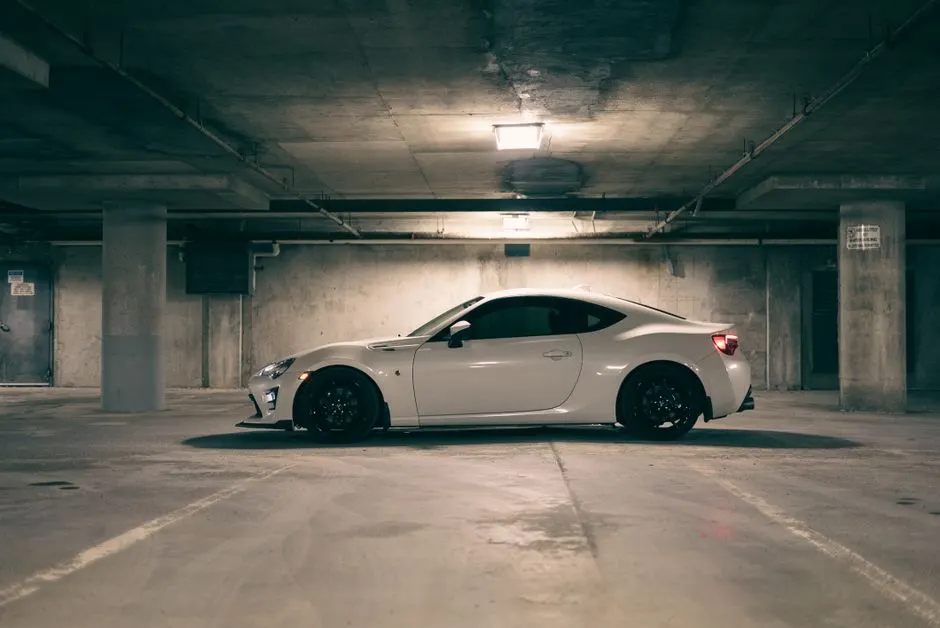
You can remove most stains from a concrete garage floor with a degreaser, a stiff brush, and 20 to 30 minutes of scrubbing per spot - oil lifts with dish soap or a commercial degreaser, rust comes out with oxalic acid or white vinegar, and tire marks respond to a heavy-duty cleaner plus a pressure washer. The trick is matching the cleaner to the stain and giving it time to work before you rinse.
Concrete is porous. Every spill that sits on it for more than a few hours wicks into the surface, and San Diego's warm, dry climate actually makes that worse - spills evaporate fast, leaving the stain behind. Below we walk through what actually works on each stain type, what it costs in 2026, and when it's time to stop scrubbing and call us.
Why Concrete Garage Floors Stain So Easily in San Diego
San Diego garage floors stain faster than garage floors in wetter climates because the surface stays warm and dry, which pulls oils and rust deeper into the concrete before you notice them.
Standard garage slabs are poured at roughly 3,000 to 4,000 PSI and left unsealed. That leaves millions of microscopic pores open. A drop of motor oil hits the surface, the sun heats the slab to 100°F or more by mid-afternoon, and the oil thins out and soaks in. By the time you see the dark spot, the oil is already 1/8 inch deep.
San Diego's inland neighborhoods - concrete garage floors in La Mesa, El Cajon, Santee - see summer slab temps that push stains in even faster than coastal areas like Pacific Beach or Carlsbad. If your garage faces west, add another 10 to 15 degrees.
Unsealed concrete also absorbs rust from lawn tools, fertilizer from bags left on the floor, and the black rubber residue from tires. Each one needs a different approach.
How do I remove stains from my concrete garage floor in San Diego?
Match the cleaner to the stain, apply it, let it dwell 10 to 15 minutes, scrub with a stiff nylon brush, and rinse - that sequence removes the vast majority of garage floor stains without damaging the slab.
Here's the stain-by-stain breakdown we use on jobs across the county:
- Oil and grease: Full-strength dish soap, a commercial degreaser like Simple Green or Oil Eater, or a poultice of baking soda and water. Let it sit 15 minutes, scrub, rinse. Repeat 2-3 times for old stains.
- Rust: Oxalic acid (sold as Zud or Bar Keepers Friend), white vinegar, or a lemon juice and salt paste. Apply, wait 10 minutes, scrub, rinse. Never use bleach - it sets rust.
- Tire marks: Heavy-duty degreaser plus a stiff brush. A pressure washer at 2,500-3,000 PSI finishes the job.
- Paint: Denatured alcohol or a commercial paint stripper. Scrape first, then wipe.
- Coolant or transmission fluid: These are water-soluble. Hot water, dish soap, and a scrub brush usually do it in one pass.
- Pet stains: Enzymatic cleaner (the same stuff sold for carpet), then rinse thoroughly. The enzymes break down the proteins that plain soap leaves behind.
For a deeper clean on a floor that hasn't been touched in years, we recommend Concrete Garage Floors San Diego CA services that include a full grind and reseal - it resets the surface instead of chasing individual spots.
What removes oil stains from concrete garage floor in San Diego CA?
A poultice made from kitty litter or diatomaceous earth plus a solvent pulls oil out of concrete better than any surface cleaner, because it draws the oil up instead of just wiping the top layer.
Here's the poultice method that works on stains older than a week:
- Cover the stain with 1/4 inch of kitty litter, diatomaceous earth, or cornstarch.
- Wet it with acetone, mineral spirits, or a commercial degreaser until it forms a paste.
- Cover with plastic wrap and tape the edges down. Let it sit 24 hours.
- Sweep it up, then scrub the residue with dish soap and hot water.
- Rinse and repeat if the stain is still visible.
Fresh oil spills - less than 24 hours old - come up with just dish soap and hot water. The longer oil sits, the deeper it goes, and the more you'll need the poultice.
If you've tried the poultice twice and the stain is still there, the oil has penetrated past the surface. At that point, Concrete Resurfacing & Overlay San Diego CA is usually cheaper than replacing the slab, and it gives you a fresh surface that resists future stains.
Can I pressure wash a concrete garage floor in San Diego?
Yes, but keep the pressure under 3,000 PSI and the nozzle at least 12 inches from the surface - higher pressure etches the concrete and leaves permanent streaks.
Pressure washing is the fastest way to clean a whole garage floor, and it's fine for most San Diego slabs. A few rules:
- Use a 25-degree or 40-degree tip, not a 0-degree pin-point tip.
- Keep the wand moving. Holding it in one spot carves a groove that never comes out.
- Don't pressure wash a slab younger than 28 days old - the concrete hasn't fully cured.
- Watch for cracks. Water forced into a crack can undermine the base and cause the slab to shift.
If your garage floor already has visible cracks or spalling, pressure washing will make them worse. In that case, Concrete Repair & Restoration San Diego CA first, then clean. We see this a lot in older garages in North Park and City Heights where the slabs date back to the 1950s.
Common Mistakes That Make Garage Floor Stains Worse
The most common mistake is scrubbing too hard with the wrong cleaner - you push the stain deeper and abrade the surface, which makes the next spill soak in even faster.
Other mistakes we see homeowners make:
- Using bleach on rust. Bleach oxidizes iron and makes rust stains darker and bigger.
- Scrubbing with a wire brush. It gouges the concrete and leaves a rough patch that traps dirt.
- Rinsing with a hose before scrubbing. Water dilutes the cleaner and spreads the stain.
- Letting cleaners dry on the surface. Dried degreaser leaves a film that attracts dirt. Rinse while it's still wet.
- Skipping the seal. An unsealed floor will stain again within a year. Concrete Sealing San Diego CA costs a fraction of what you'd spend re-cleaning every season.
How much does garage floor cleaning cost in San Diego?
Typical 2026 pricing in San Diego runs $150 to $400 for a one-time professional garage floor cleaning on a standard two-car slab, and $1,200 to $3,500 for a full grind-and-reseal or resurfacing job.
Here's the breakdown we quote most often:
- DIY supplies: $30-$80 for degreaser, brush, poultice materials, and a respirator.
- Professional cleaning only: $150-$400 for a 400-500 sq ft garage.
- Cleaning plus sealing: $600-$1,200.
- Grind and reseal: $1,200-$2,200.
- Full resurfacing or overlay: $2,000-$3,500.
- Full slab replacement: $4,000-$8,000 if the concrete is too far gone.
Prices vary by neighborhood. A garage in Chula Vista or Escondido with a cracked, oil-soaked slab costs more to bring back than a newer build in Otay Ranch. If you're comparing quotes, ask what's included - cleaning alone won't stop the next stain.
When to Call a Professional
Call a professional when the stain has been there more than a month, when the concrete is cracked or spalling, or when you've tried two rounds of DIY cleaning and the stain is still visible.
Deep-set oil, rust that's been sitting since last winter, and any stain on a slab that's already failing are jobs for a crew with commercial equipment. We use hot-water pressure washers, industrial degreasers, and poultice compounds that aren't sold at Home Depot. On most jobs we can clean, seal, and have you parking back in the garage the same day.
If you're not sure whether your floor needs cleaning or replacing, we'll tell you straight. Call San Diego Concrete Contractor and we'll walk you through it.
Frequently Asked Questions
How do I remove stains from my concrete garage floor in San Diego?
Match the cleaner to the stain: dish soap or degreaser for oil, oxalic acid or vinegar for rust, and a heavy-duty degreaser for tire marks. Apply, let it dwell 10-15 minutes, scrub with a stiff nylon brush, and rinse. Repeat 2-3 times for old stains.
What removes oil stains from concrete garage floor in San Diego CA?
A poultice of kitty litter or diatomaceous earth wet with acetone or mineral spirits, covered with plastic for 24 hours, pulls oil out of concrete better than surface cleaners. For fresh spills under 24 hours old, dish soap and hot water usually do the job.
Can I pressure wash concrete garage floor in San Diego?
Yes, at 2,500-3,000 PSI with a 25-degree tip and the wand at least 12 inches from the surface. Never use a 0-degree tip, never hold the wand in one spot, and don't pressure wash a slab younger than 28 days old.
How much does garage floor cleaning cost in San Diego?
Professional cleaning runs $150-$400 for a standard two-car garage in 2026. Cleaning plus sealing is $600-$1,200. Grind-and-reseal jobs run $1,200-$2,200, and full resurfacing is $2,000-$3,500.
Do I need to seal my garage floor after cleaning?
Yes, if you want the clean to last. Unsealed concrete re-stains within a year. A sealer costs a fraction of repeat cleaning and makes future spills wipe up with a rag instead of a scrub brush.
Get help with Concrete Contractor in San Diego
If DIY cleaning isn't cutting it, or your garage floor needs more than a scrub, we can help. San Diego Concrete Contractor handles garage floor cleaning, sealing, resurfacing, and full slab replacement across San Diego County.
Call us at +1 (619) 231-1616 and we'll give you a straight answer on what your floor needs.